Home
  • Request Info
  • Visit
  • Apply
  • Give

Biochemistry

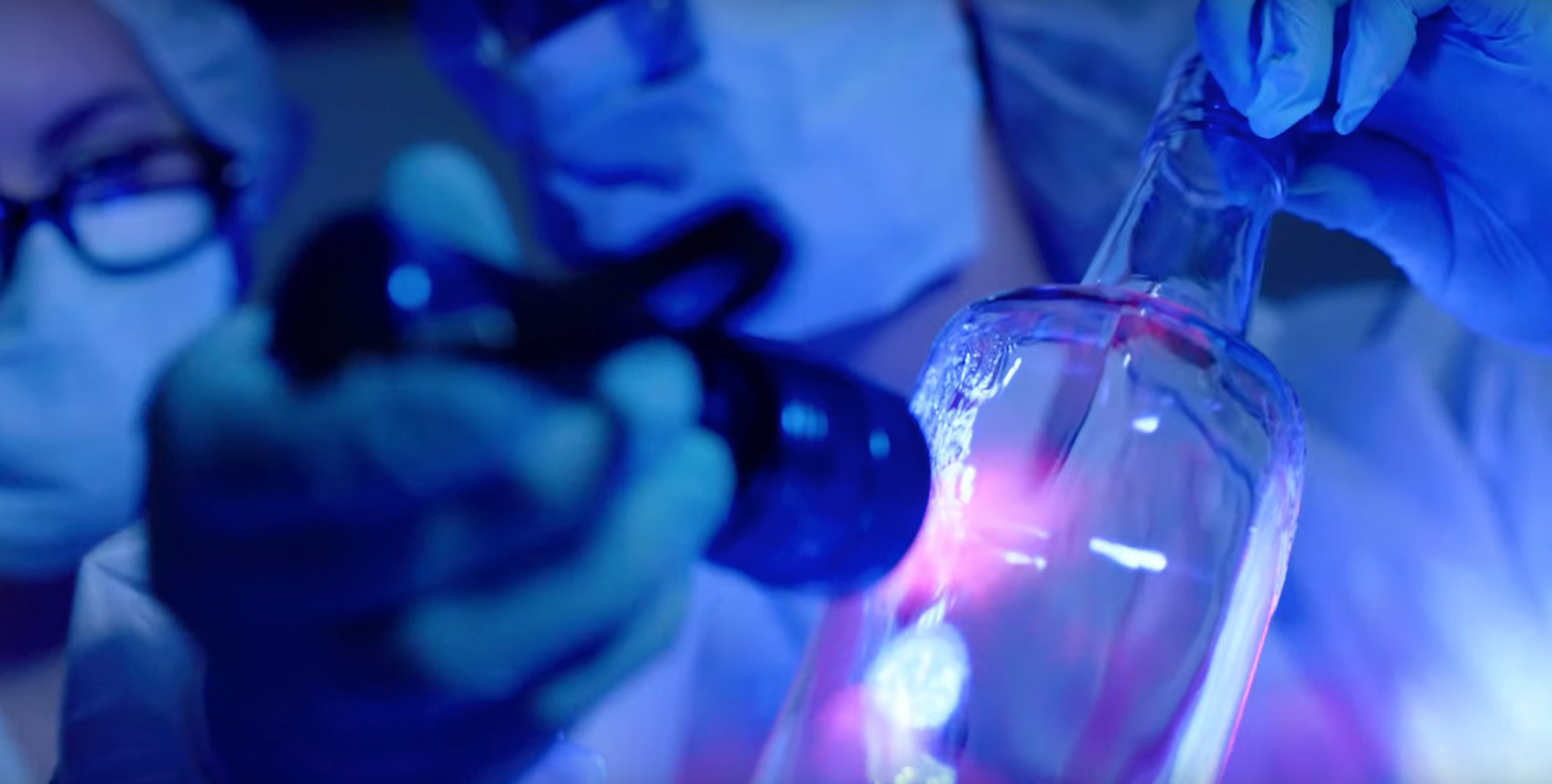
Looking for a positive reaction? Major in chemistry or biochemistry. Chemistry – the science of matter – is central to all the physical sciences. Biochemistry – the science of matter in living organisms – is a growing field with implications in human health and medicine.

descriptive alt text should go here

Breadcrumb

  1. Home
  2. Programs of Study
  3. Biochemistry
Type of Offering
Major Minor
College
Arts & Sciences School of Mathematical and Physical Sciences

Opportunity Abounds

Our students and alums do great things, including participating in research at an undergraduate level. Scroll through the images and click to read more.

Jasmine Wolfgram, BS '23: Study Abroad

Jasmine Wolfgram, BS '23: Study Abroad

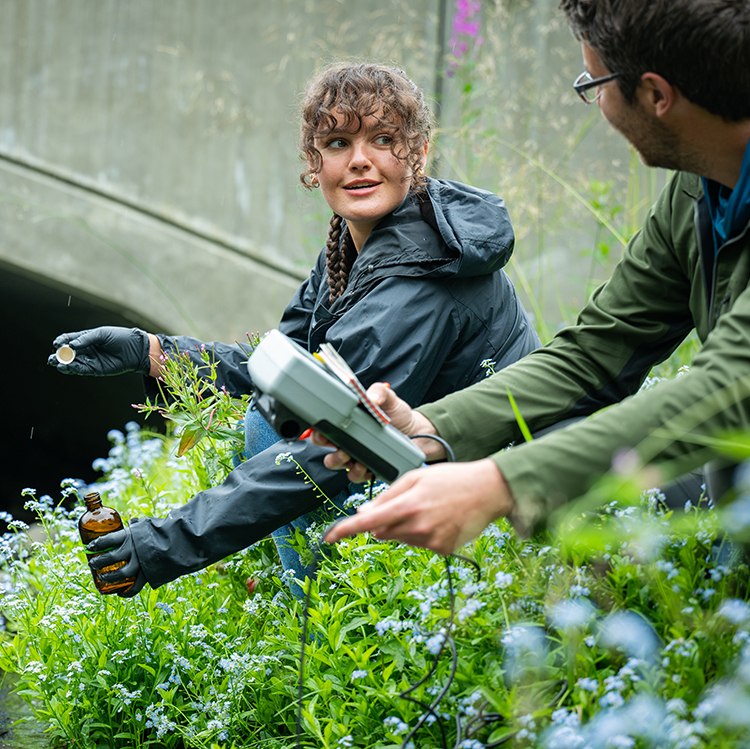
Elizabeth Gruen with a prestigious Research Experience for Undergraduates (REU) at the University of Alaska, Anchorage

Elizabeth Gruen with a prestigious Research Experience for Undergraduates (REU) at the University of Alaska, Anchorage

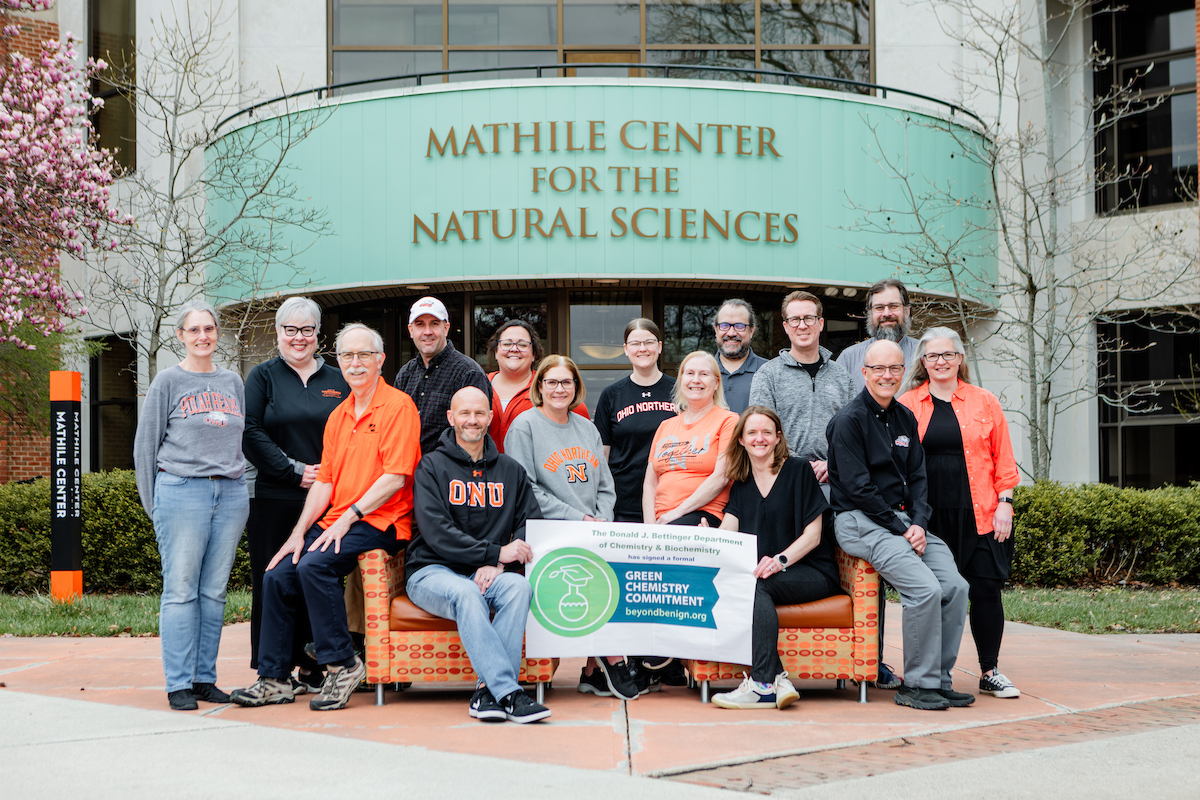
ONU becomes a green chemistry institution

ONU becomes a green chemistry institution

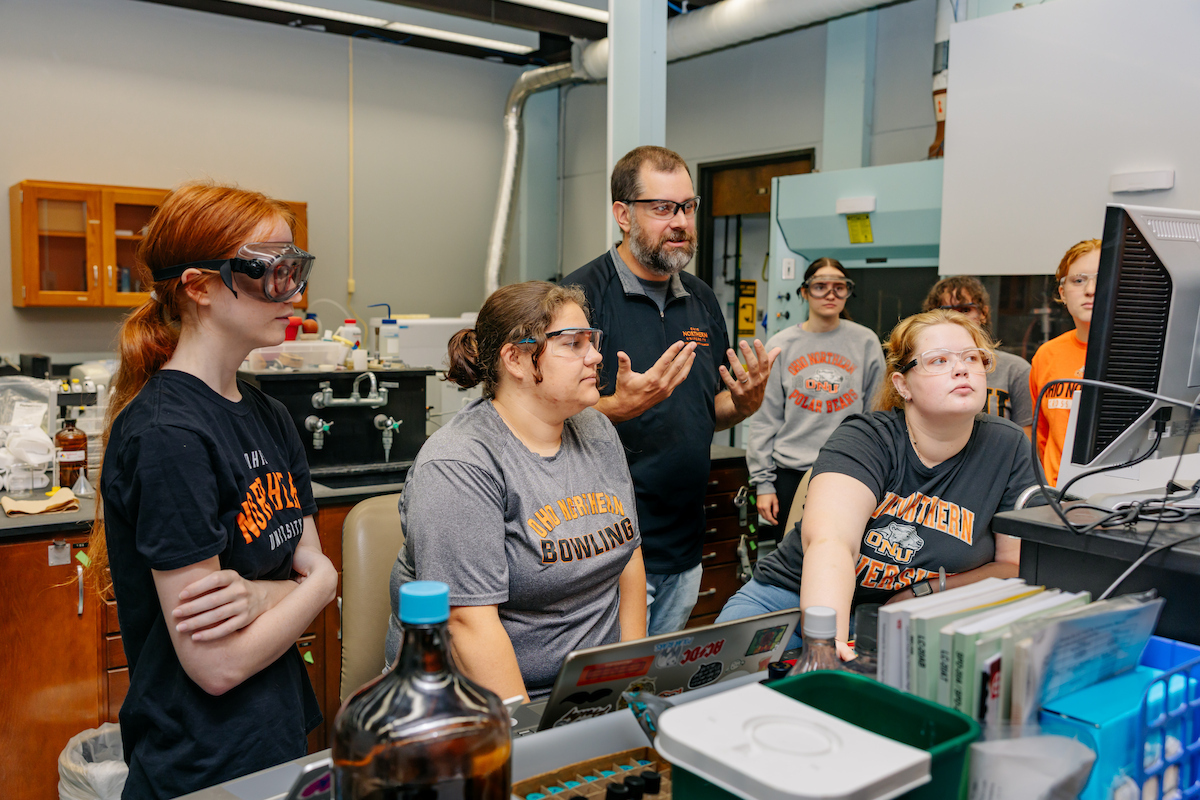
From theory to discovery

Chris Spiese class

ONU alumna is breaking records

ONU alumna is breaking records

For chemistry major and honors student Emily Pacek, undergraduate research was the primary reason she chose Ohio Northern University

For chemistry major and honors student Emily Pacek, undergraduate research was the primary reason she chose Ohio Northern University

With a chemistry or biochemistry degree from our American Chemical Society certified program, you could end up working on a cure for cancer; monitoring pollutants in the local watershed; researching superior energy solutions (i.e., battery technology or solar panels); developing new textiles, cosmetics or pharmaceutical products; or creating the global supply of a new compound.

Our program combines rigorous academics with extensive opportunities for research and work in the lab. You’ll gain a solid foundation in the math and the physical sciences while developing your critical thinking, problem solving, teamwork and leadership skills. These skills are in demand in today’s workforce. 

Large institutions just can’t provide the individualized attention you’ll find here. Even as a freshman, you’ll have the opportunity to be in the lab working with real professors, not graduate assistants. Throughout your four years, you’ll have the chance to design and conduct your own experiments, work on independent projects, participate in grant-funded research projects, present your research at regional and/or national conferences, and possibly even co-author an article for a professional/scientific journal. You will learn to operate our impressive collection of research instruments. The opportunities open to you are truly incredible!

Here, you won’t get lost in the crowd. You’ll be an elite biochemistry student – part of our family. You’ll enjoy small class sizes and amazing friendships. Our dedicated professors will get to know you. They will support you in your coursework, research, internships, co-ops, and post-graduate or career preparations. They will become personally invested in your success – in college and beyond.

Upon graduation, you’ll be ready to make important scientific contributions. You’ll be armed with the knowledge, hands-on experience, and critical thinking skills needed for success – no matter where your path leads you.

Biochemistry Courses, Curriculum & Program Resources

In ONU's Donald J. Bettinger Department of Chemistry/Biochemistry, choose from a bachelor of science in biochemistry with an optional ACS-accredited concentration or a pre-med pathway.

  • Four-Year Curriculum
  • Pre-Med Preparation
  • Catalog
  • Learning Outcomes
  • Faculty
ACS Chemistry Accreditation Logo

SOLID OUTCOMES

  • 95% of our undergraduate students participate in research projects
  • 95% placement rate in full-time employment or graduate/medical school within 6 months of graduation
  • Top 12 ONU ranked top 12 small colleges of the Midwest by the Wall Street Journal
  • 11:1 ONU student-faculty ratio

World-class Labs and Equipment

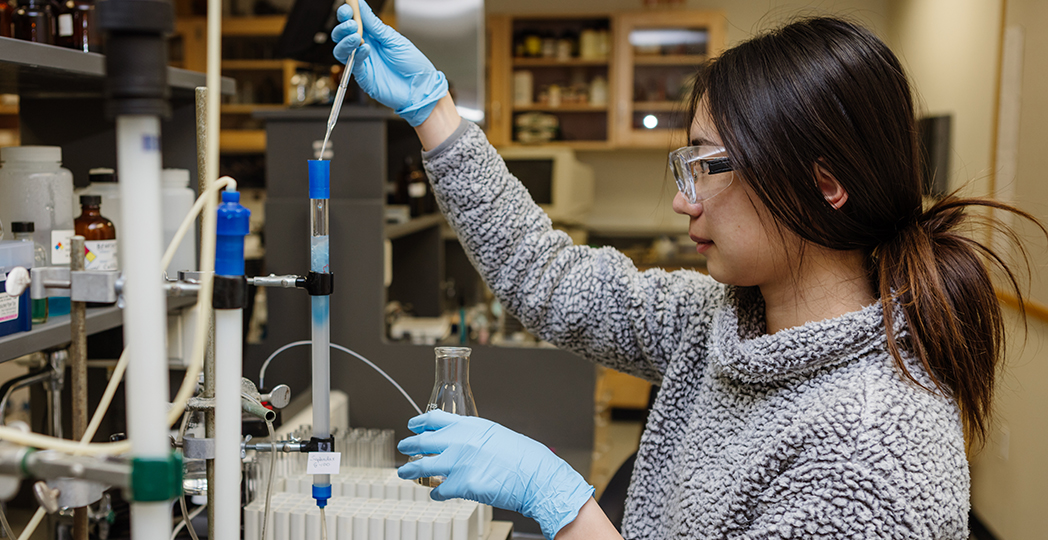
We may be small, but our facilities are modern and our equipment is cutting edge. Plus, you’ll have hands-on access to equipment that most students don't get to use until graduate school.

Bio chemistry class
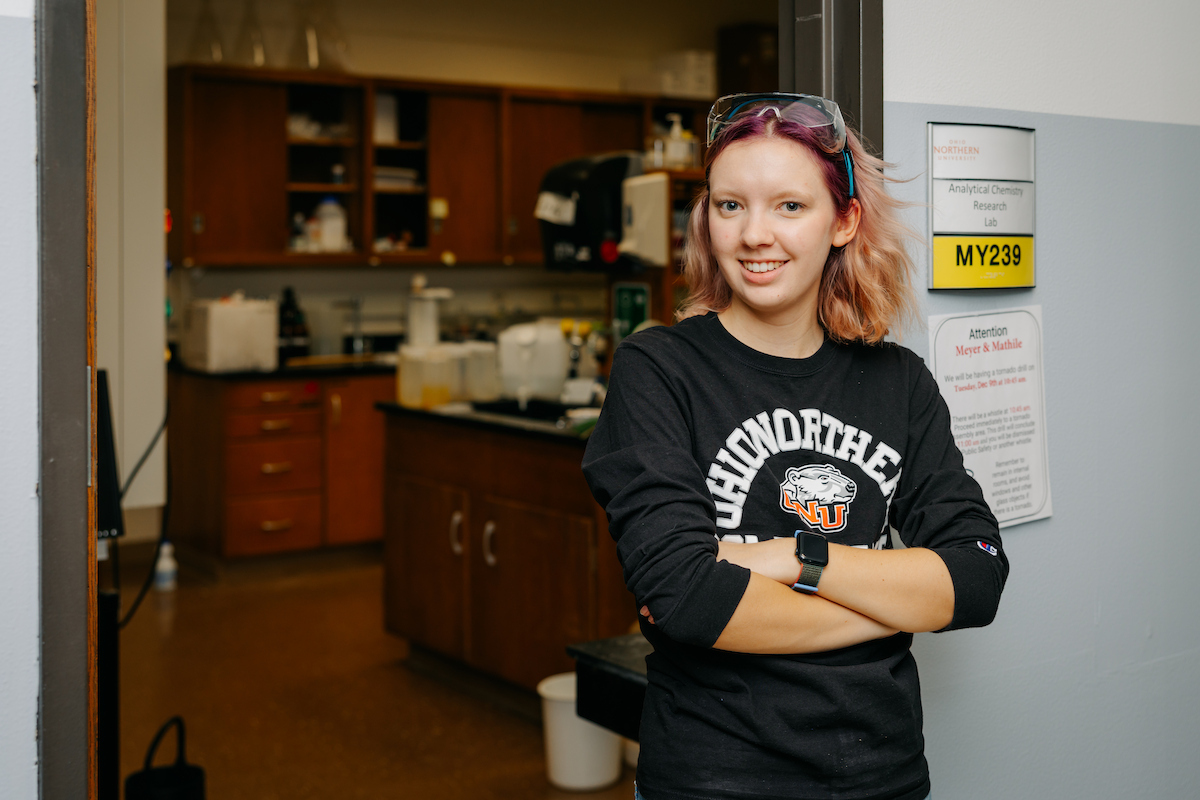
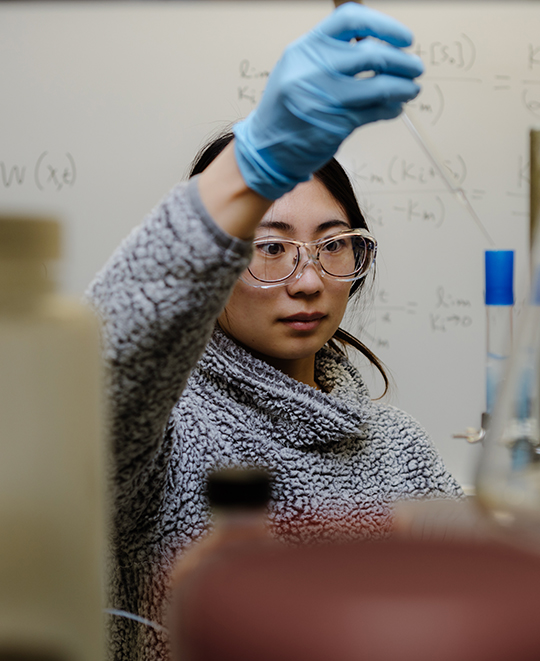
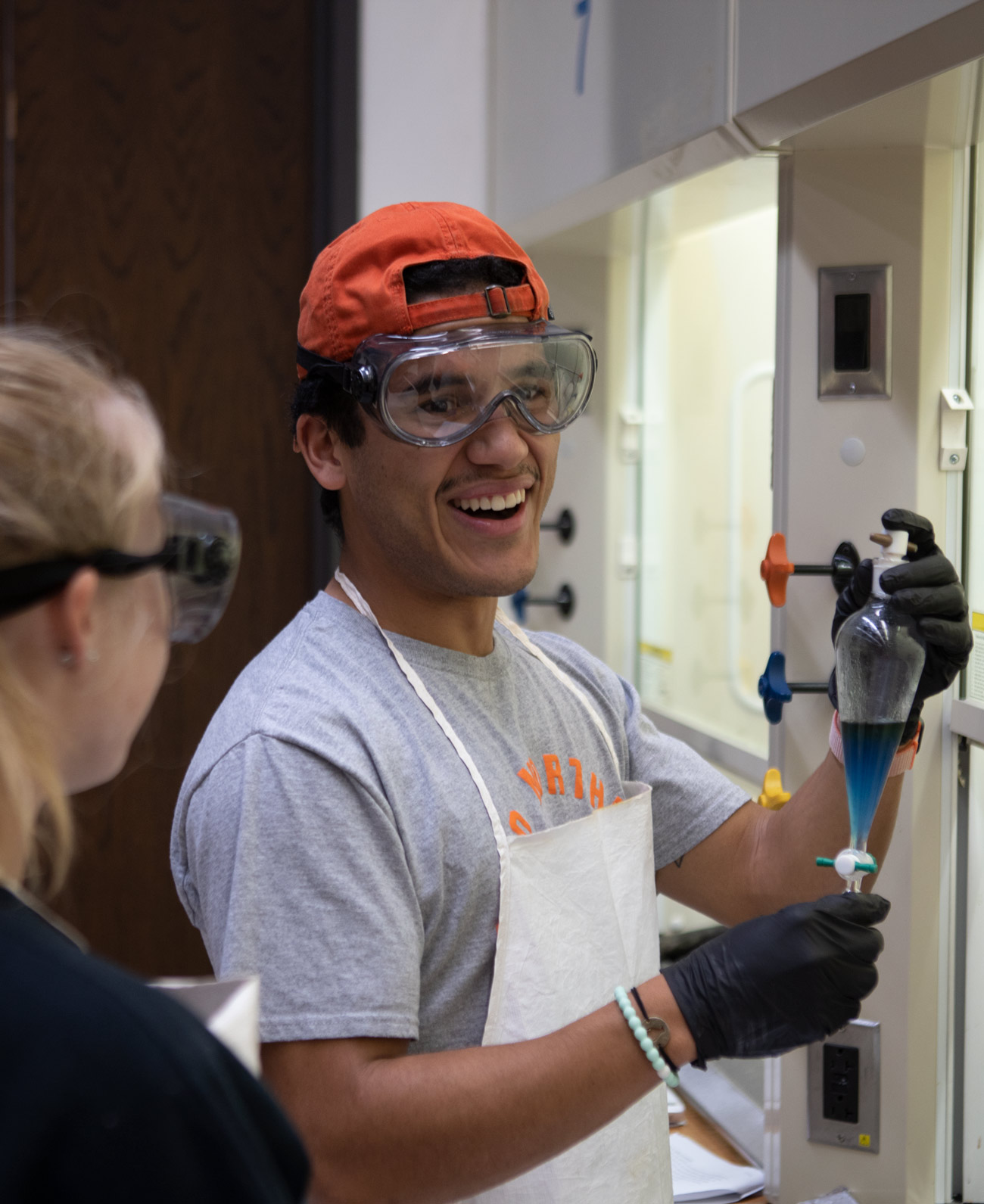
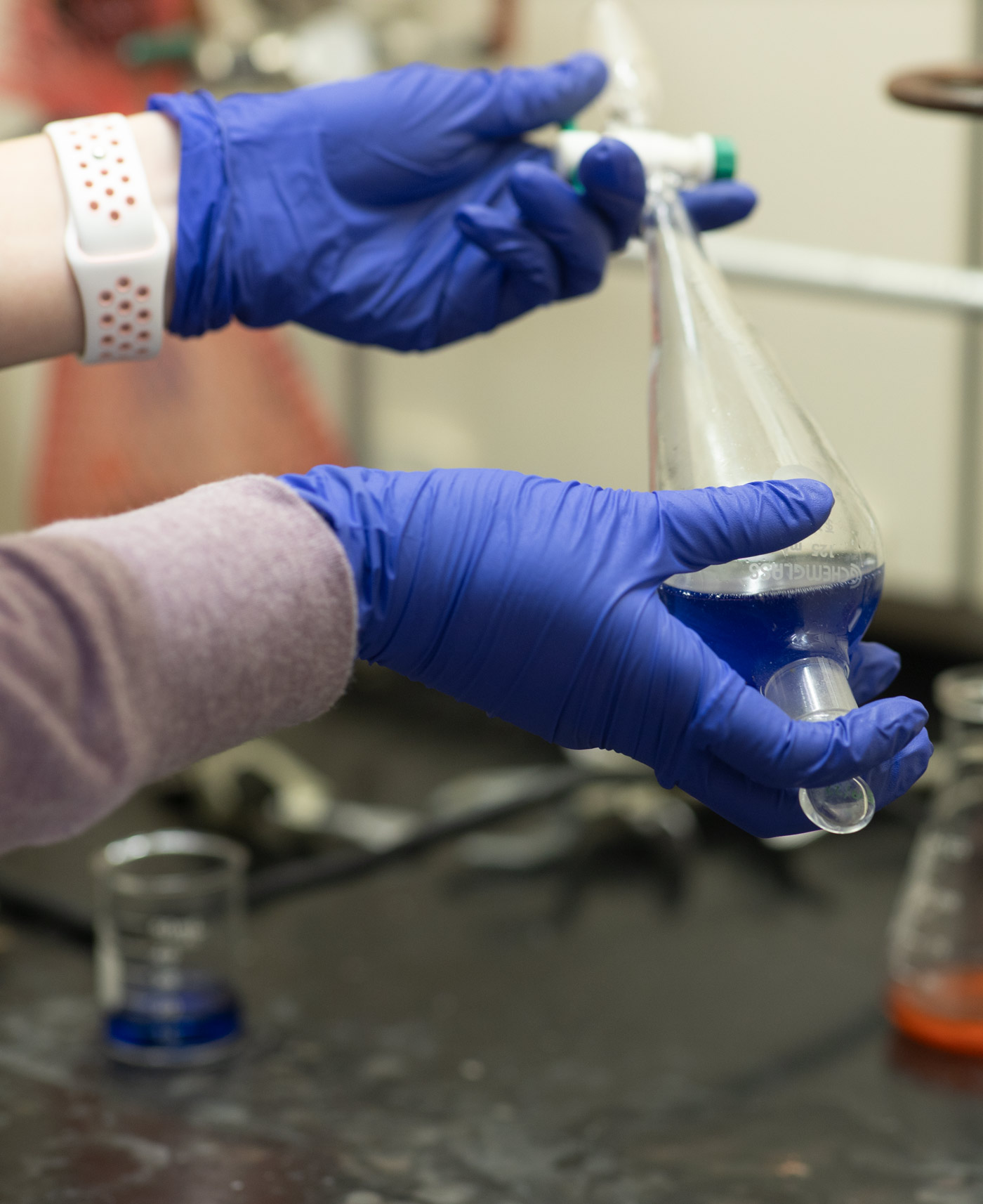
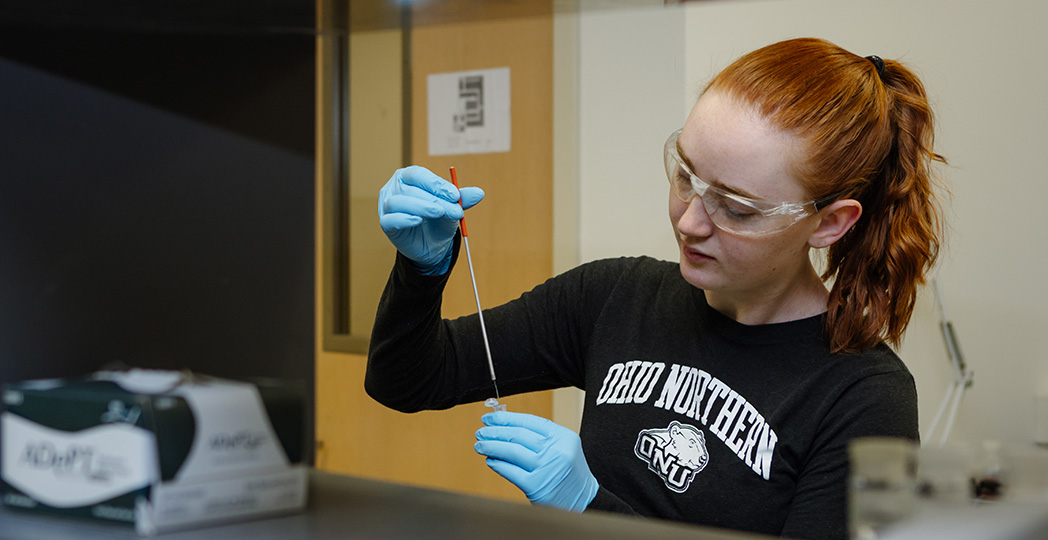
Chemistry students work at Ohio Northern University.
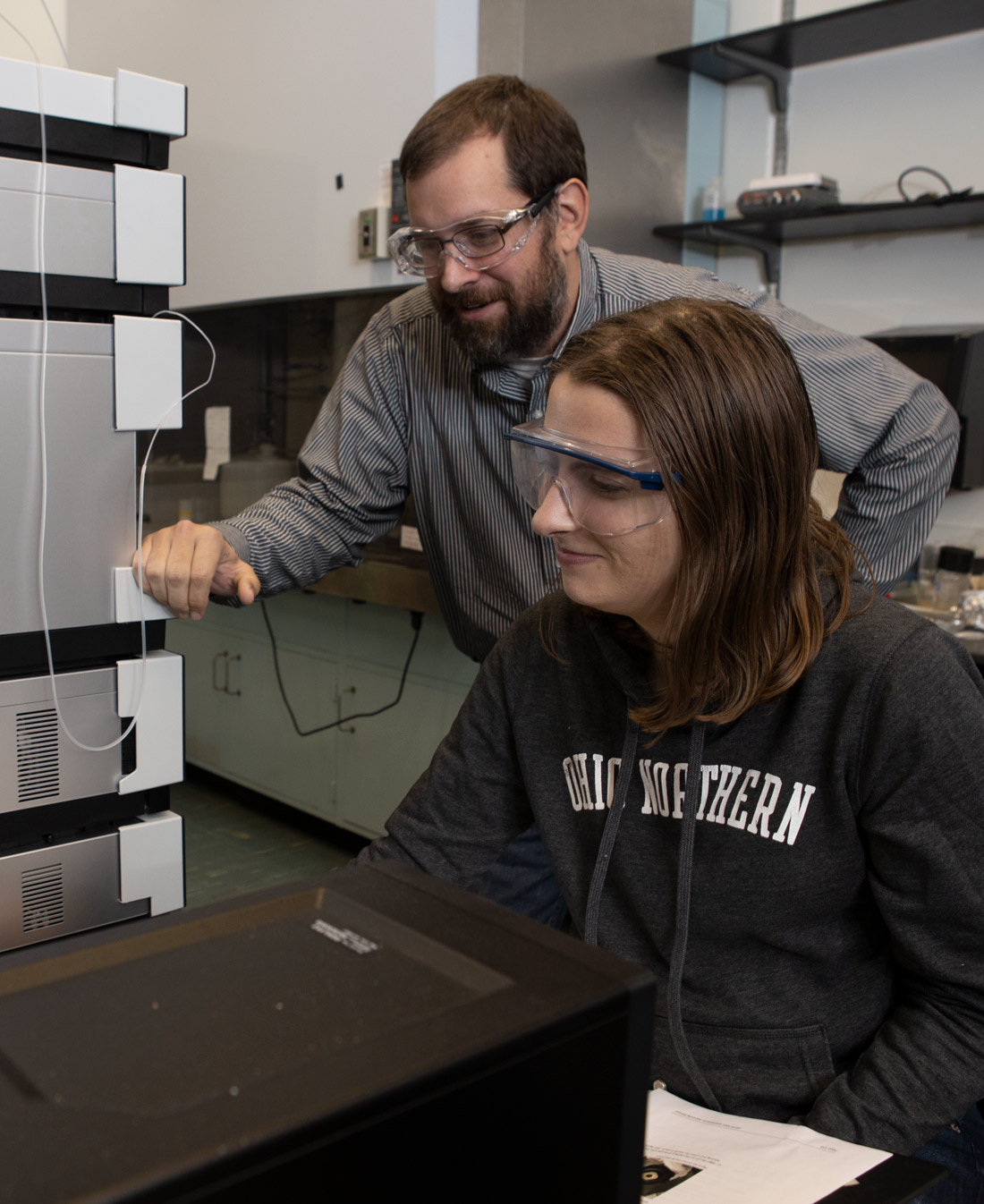
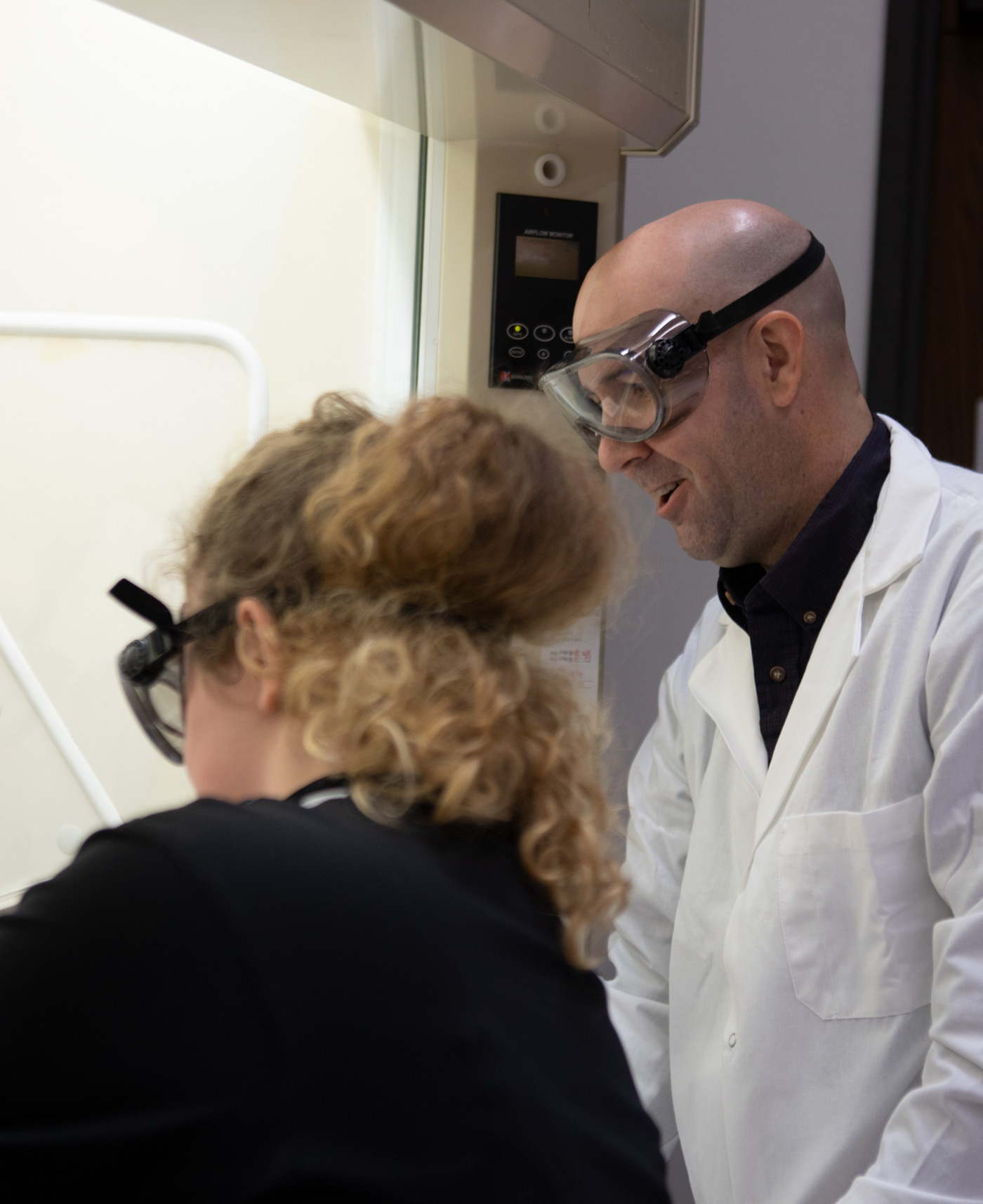
Christopher Spiese associate professor of chemistry works with chemistry students at Ohio Northern University.
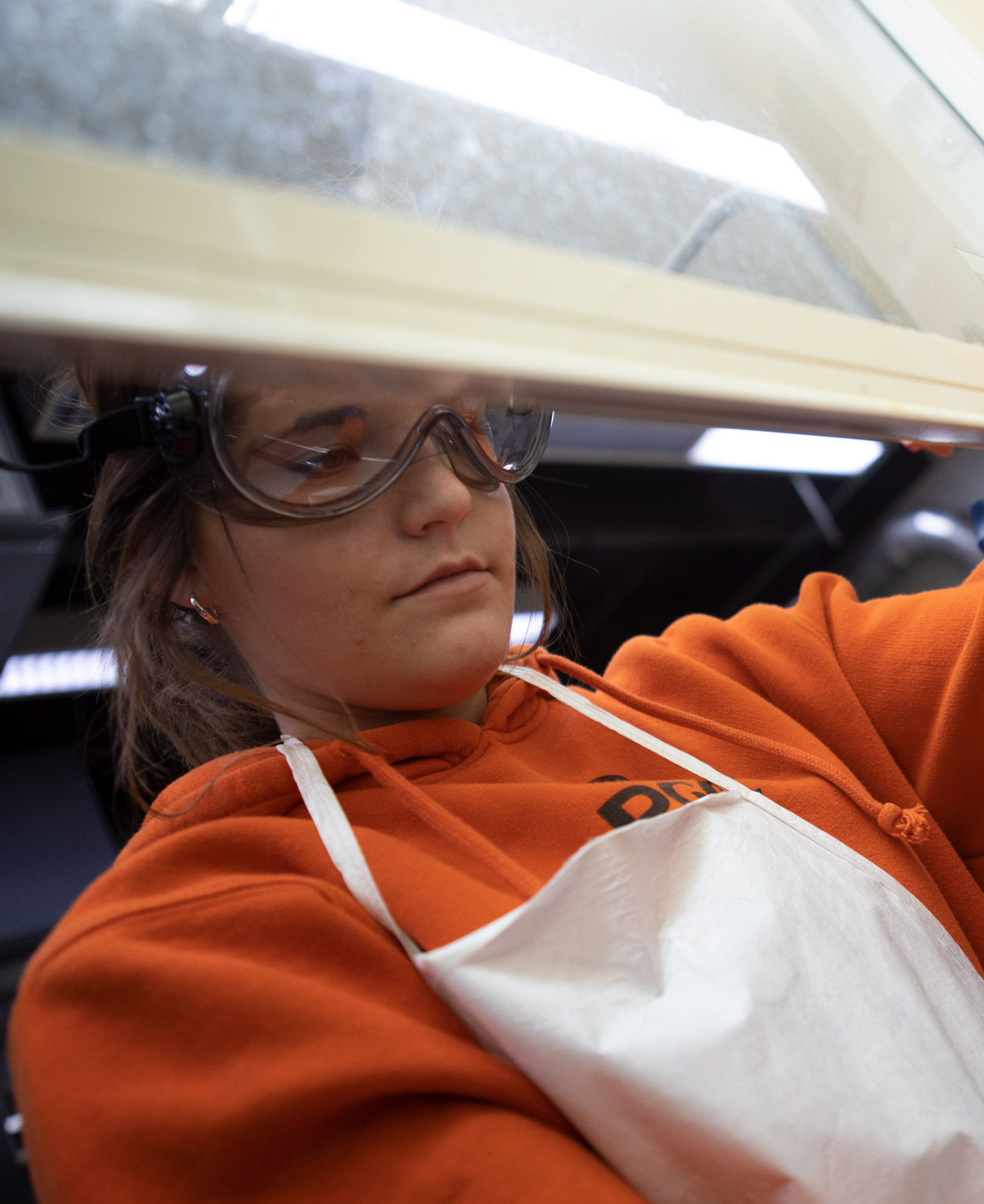
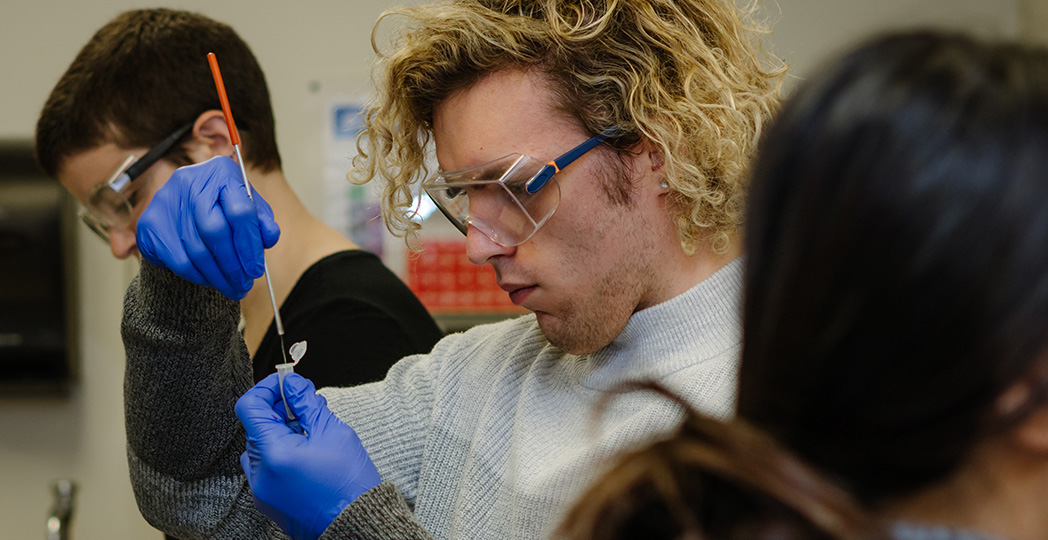
Chemistry students work at Ohio Northern University.
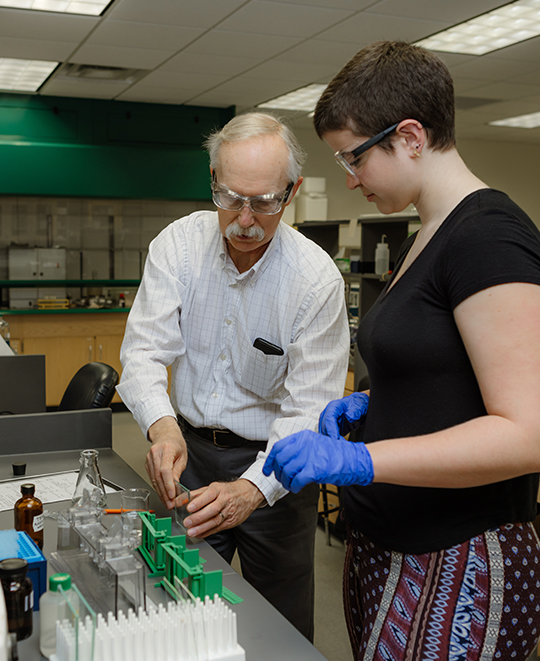
Professor of chemistry Brian Myers works with chemistry students at Ohio Northern University. Chemistry students work at Ohio Northern University.
Chemistry students work at Ohio Northern University.
Bio chemistry class
Justin Kindle
Quote SVG
I think it’s really unique to Northern to have hands-on learning like undergraduate research. If I would have gone to a bigger school, I don’t think I would have had these kinds of opportunities at all."
Justin Kindle, biochemistry major
college of pharmacy detail shot
Bio chemistry class
Our department is housed on the second floor of the Meyer Hall of Science and the Mathile Center for the Natural Sciences, a student-centered research and learning facility which includes:

• Nine classrooms
• Nine teaching labs
• Three conference rooms
• Two computing lounges
• 17 offices
• 13 research labs
• Stockroom and preparation areas
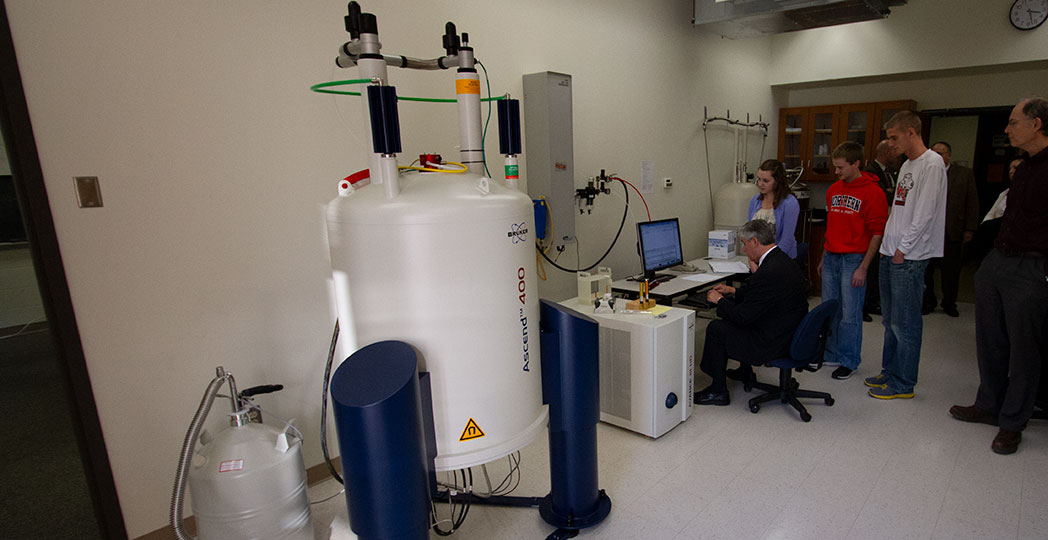
Nuclear magnetic resonance spectrometer

Nuclear magnetic resonance spectrometer

We’re particularly proud of our nuclear magnetic resonance spectrometer (NMR) – the Bruker Avance III 400 MHz with a broadband smart probe. This major instrument expands the scope and quality of the research we conduct at ONU. As a chemistry or biochemistry major, you’ll receive extensive hands-on training on the NMR in your sophomore year so that you can operate it independently. It’s one more incredible experience to add to your résumé.
    • Fluorescence Spectrophotometers
      • When molecules absorb light, the light energy is transferred to the electrons in the molecules so that the molecules are promoted from the lower energy, ground state to a higher energy, excited state. The molecules will usually remain in the higher energy, excited state for a very short period of time before they return to the lower energy, ground state. As the molecules return to the lower energy state from the higher energy state, they must lose energy. Most molecules lose this energy in the form of vibrations or heat but some molecules will lose some or all of this energy in the form of light. The wavelength and amount of light that is emitted by such molecules can be measured with a spectrofluorometer. Spectrofluorometric measurements of molecules are usually more specific than absorbance measurements because fluorescence depends on both the wavelength of the light absorbed by the molecule and on the wavelength of the light that is emitted from the excited molecule. Fluorescence measurements are also more sensitive than absorbance measurements so that lower amounts of material can be detected.

        We have two fluorescence spectrometers in our department: 

      • Horiba Jobin Yvon Fluoromax-4 with Time Correlated Single Photon Counting
      • SLM AMINCO Series 2 Spectrofluorometer
      •  
    • Infrared Spectrophotometers
      • Molecules are able to absorb electromagnetic energy in the Infrared (IR) region of the electromagnetic spectrum. The IR radiation has the appropriate level of energy to excite vibrational movement of molecular bonds. Each type of bond, between the different atoms, will absorb the IR radiation and begin to vibrate at slightly different frequencies from one another. This phenomenon can be utilized to examine various molecules by observing the different vibrational signals.

        An IR spectrophotometer, shown in the picture, is an instrument which is designed to obtain an infrared spectra of a molecule. An IR spectrum is obtained by first irradiating a sample with an IR source of light. The light passes through the sample, which can be in solution or contained within a salt plate, and then onto an IR light detector. The spectrum is analyzed by examining at which frequency the peaks occur. Different peak frequencies indicate different type of vibrational motion and hence, different types of chemical bonds. The peak intensities are usually denoted as percent transmittance (%T), which compares the amount of light absorbed compared to the amount of IR light that was not absorbed. The frequencies are normally listed in wave numbers (in units of reciprocal centimeters).

        Acquired in January 2006, the Nicolet 6700 represents an upgrade in both resolution and wavelength coverage. The instrument is capable of high resolution (0.125 cm-1) in the mid and near IR regions. Attenuated total reflectance (ATR) accessories are used to conveniently analyze a wide range of materials. In addition a chemometric software package will result in an increased ability to use this spectrometer for quantitative applications.

        We also have two Thermofisher IR100 FTIR instruments (purchased 2006) which are housed in the sophomore teaching laboratories.

      •  

    • 400 MHz Bruker NMR with an Advance III HD Nano-Bay Console and a Multinuclear Broadband 5 mm SmartProbe
      • About two-thirds of our department’s faculty use the NMR in their research. The NMR is a complex machine that uses a superconducting electromagnet to create a concentrated magnetic field around a sample a scientist wants to study. The machine then bombards the sample with radio frequencies, which causes the atoms in the molecules, specifically the nuclei of the atoms, to absorb energy. Different atoms absorb different frequencies depending on the local environment, so scientists are able to determine which atoms are which where they are at in a particular molecule. Magnetic resonance imaging (MRI) actually uses the same technology, but the sample is a human. It is incredibly important for all kinds of chemistry research because it is the single most effective way to validate the composition of a molecule. So, whether a researcher is working with a sample that they need to make sure is pure, or if a synthetic chemist is trying to prove that she did indeed make a new material that she set out to make (for example, a new plastic/polymer, or a new drug-like molecule), NMR is vital for validation of results.
      •  
    • Laser Spectroscopy Lab
      • Laser-based instruments for optical spectroscopy provide exciting experiences for our students in undergraduate physical chemistry and analytical chemistry courses. Our current projects incorporate pulsed Nd:YAG and dye lasers into several experiments designed to illustrate key features of molecular structure and dynamics. Our students use lasers to record spectra with much higher resolution than is offered by traditional spectroscopic instruments. The fine structure observed in these laser-based spectra reveal couplings between molecular motions that students often struggle to visualize using other instrumentation. Additionally, we employ Laser Raman spectroscopy that complements other spectroscopic methods (i.e. FT-IR and UV-Vis) and capabilities for chemical identification in synthesis courses.

    • Ultraviolet-Visible Spectrophotometer

      • Electromagnetic radiation in the visible and ultraviolet regions, wavelengths of 200 nm to 800 nm, of the electromagnetic spectrum can be absorbed by molecules that contain multiple bonds. The UV or Visible light energy is absorbed when the electrons are excited from their ground state to some higher energy level. A UV/Vis spectrophotometer is designed to measure the amount of light absorbed at each wavelength of the ultraviolet and visible light regions.

        The absorbance of the light energy can then be plotted against the wavelength of light to give an absorbance spectra. The wavelengths at which maxima occur are characteristic of the absorbing species and the height of the peaks give us information about the concentration of the absorbing species.

        The instrument pictured is a Shimadzu UV-Vis 2401PC Spectrophotometer (purchased in 2006).

    • Thermo Scientific Nanodrop 2000C Spectrophotometer
    • Innovx portable X-ray fluorescence (XRF) spectrometer
    • SRS mobile residual gas mass analyzer (RGA)
    • High Performance Liquid Chromatography (HPLC)
      • Chromatography is a technique used to separate components of a mixture to isolate them for further use in synthesis (preparative chromatography) or for identification (analytical chromatography). In HPLC, the separation is achieved by pumping the mixture over an immobilized chemical system in a column by means of a liquid solvent stream. The solutes in the mixture partition between the moving and immobilized phases, and different solutes travel at different rates down the column. By the time the mixture exits the column, the solutes are spatially separated and can be collected or analyzed. The Agilent 1100 shown in the picture is equipped with a diode array detector which allows multiple wavelengths to be monitored simultaneously. This system can be used for determining the amount of organic substances, at low concentrations, in environmental, food, drug, or biological samples. For example, it can be used for the determination of caffeine in soft drinks and analgesics.

      • The system purchased is an Agilent 100 series HPLC (purchased 2003). We also have a Shimadzu LC-20AB HPLC (purchased 2010) that is typically run in normal phase and is outfitted with a chiral column.

    • Gas Chromatography (GC)
      • Gas chromatography is the standard method for the separation and quantitation of volatile components in a mixture. The sample is vaporized and transported through a column by a flow of gas (usually helium). The components are separated from each other on the basis of their affinity for the stationary phase. Components with higher affinities for the stationary phase spend more time there and as a result they take longer to travel the length of the column. In this manner the components of a complicated mixture can be separated and detected free from interference from each other. We currently have 2 Shimadzu Gas Chromatographs (GC) with TCD detector  (purchased in 2006 and used primarily in the sophomore labs) and an HP 5890 with FID and TCD detectors used in analytical chemistry courses and research.
      •  
    • GC-Mass Spectrometry
      • The gas chromatograph-mass spectrometer (pictured at right) was added to our instrument holdings in 2007. Gas chromatography-mass spectrometry is a widely utilized technique for the analysis and characterization of complex mixtures. We’ve had this capability since the late 1980s, when professor Robert Lamb purchased the department’s first GC-MS with a grant from the National Science Foundation. This instrument is the one used routinely in the determination of organics in environmental samples, for the drug screening of athletes (e.g., at the Olympics), and for the monitoring of fuels at the Indy 500 race. The system, shown in the picture, consists of a gas chromatograph (GC) directly attached to a mass spectrometer (MS), with an automated sample changer on top.

        The GC portion of this system provides high-resolution separation of volatile organic solutes in a mixture in the gas phase. As each solute exits the GC column, it is diverted into a mass spectrometer that is capable of both monitoring the amount of and identifying the chemical nature of the solute. In this way, both quantitative and qualitative information about the mixture can be obtained.

        The MS portion of the system takes each gaseous solute exiting the GC and ionizes it in an electron beam. The ions formed by a specific solute will depend on the nature of the bonds in the molecule, and both ionized molecules and ion fragments of the molecule are possible. The ions are then directed down a separator, which isolates and counts the ions according to mass. The sequence and relative intensity of the mass peaks give information about the chemical identity of the solute. The absolute intensity of the peaks provides information about the amount of substance present.

        The Varian 4000 GC-MS has an ion trap mass spectrometer, which makes chemical ionization and tandem mass spectrometry (MS-MS) affordable options. Over the years, GC-MS has been a technique used by several students in their senior research projects. This instrument is also used in courses such as organic, quantitative analysis and instrumental analysis.

      •  

    • Teledyne Isco CombiFlash Companion automated chromatography system
    • High-performance computing cluster (40 processors)
    • Computational Packages: Gaussian, QChem, WebMO, and Gamess
    • Software: ChemDraw (site license) and SciFinder Scholar
    • 4-electrode potentiostat
    • Gel electrophoresis
      • Many biological macromolecules, such as proteins and nucleic acids (DNA and RNA), have an electrical charge and will move through a fluid medium when they are exposed to an electrical field. The direction of movement will depend on the sign of the electrical charge and the rate of migration will depend on the amount of charge and on the shape or size of the molecule. If two molecules have the same amount of charge, the smaller molecule will move faster than the larger molecule. The differences in the rate of movement of the molecules can be used to separate the molecules in a mixture. This separation can be done to determine the number and amounts of the components in a mixture or it can be used to purify one component from the other components.

        Equipment is available to perform electrophoretic separations in either a horizontal or vertical mode in a gel matrix made from either agarose or polyacrylamide. The sizes of gels can be as small as 5cm x 7.5cm for rapid analysis of samples to 35cm x 45cm for a high resolution gel for DNA sequencing. Several power supplies are available so that an electrical field of up to 2000 volts may be used.

    • High speed centrifuge (Sorvall Superspeed RC5C Centrifuge)
      • A centrifuge spins samples in a rotor so that a force that is many times that of gravity is applied to the sample. Under these conditions small particles such as precipitated proteins or nucleic acids can be separated from a suspension. Cellular organelles such as cell nuclei can also be separated from other cellular components by this procedure. A high speed centrifuge can spin samples at rates up to 20,000 rpm and generate forces up to 30,000 times the force of gravity. Sample volumes from a few mL to 1000 ml can be used in these centrifuges. 

    • Pulsed polarograph
    • Vacuum Atmospheres Solvent Purification System
    • Vacuum Atmospheres Glove-box
    • Thermoforma -80°C Freezer
    • Index Instruments AA-5 Digital Polarimeter
    • Glass-working bench, torches, and equipment
    • Machine shop (located in the College of Engineering Building)
2005 Green chemistry commitment badge

Green Chemistry Commitment

"The goal of Green Chemistry is for the term to disappear and it simply becomes how we practice chemistry."

--John C. Warner
Co-author of "Green Chemistry: Theory and Practice
Co-Founder of Warner Babcock Institute for Green Chemistry
college of pharmacy detail shot
Bio chemistry class

Discover your passion

Science is about discovery. Here you’ll have ample opportunity to tackle research projects, attend conferences and get published working alongside world-class professors.
  • Participate in a mentored research project with a faculty member during your junior and/or senior year. You can receive one to two credit hours for your research work each semester, which often consists of between 3-6 hours a week working in the lab doing experiments, analyzing and compiling data, or reading recent technical literature on your research topic. 

  • Apply for a summer undergraduate research experience. Our students have an excellent track record of getting accepted for these highly-competitive, paid positions that only consider top science students. These experiences take place at large academic, industrial or government research institutions across the country.

  • Join a student organization for professional development, networking and social activities. ONU Student Members of the American Chemical Society (SMACS) sponsors campus outreach activities like a pumpkin carving of the periodic table, root beer float social (because we’re chemists, we make our own root beer with dry ice and our own ice cream with liquid) and education on topics such as recycling and opioid addiction. Our chapter sends several ONU to the ACS national conference every year. Gamma Sigma Epsilon is a national honor society for chemistry.

  • The Kritzler Lectureship in Chemistry gives you access to major new developments in chemistry presented by scientists who are  recognized as a masterful communicators of ideas. The Kritzler Lectureship in Chemistry was established in 1996 as a means of highlighting fundamental new developments in the science of chemistry and biochemistry. Speakers are selected annually on the basis of distinguished contributions to chemical sciences and outstanding communication skills in the interpretation of their work for the public. 

The sound of science video.

The Sound of Science

Listen to the sounds you can make in a science-related field of study at ONU.

End game: a fulfilling biochemistry career

Our graduates go on to do amazing things. Most pursue one of three different paths immediately after graduation: a career in industry, graduate school or medical school. Check out where our graduates have ended up.

Careers in Biochemistry:
- Chemist
- Biochemist
- Physician
- Forensic lab analyst
- Food and drug analyst
- Geochemist
- Optometrist
- Laboratory technician
- Consumer protection specialist
- Water quality analyst
- Methods development chemist
- Chemical information specialist
- Quality assurance chemist

  • Procter & Gamble logo
  • Eli Lilly logo
  • ExxonMobil logo
  • University of Wisconsin logo
  • support onu cooper tires logo
  • Cornell University logo
  • Lubrizol logo
  • chemistry sherwin williams logo
  • chemistry Penn state logo
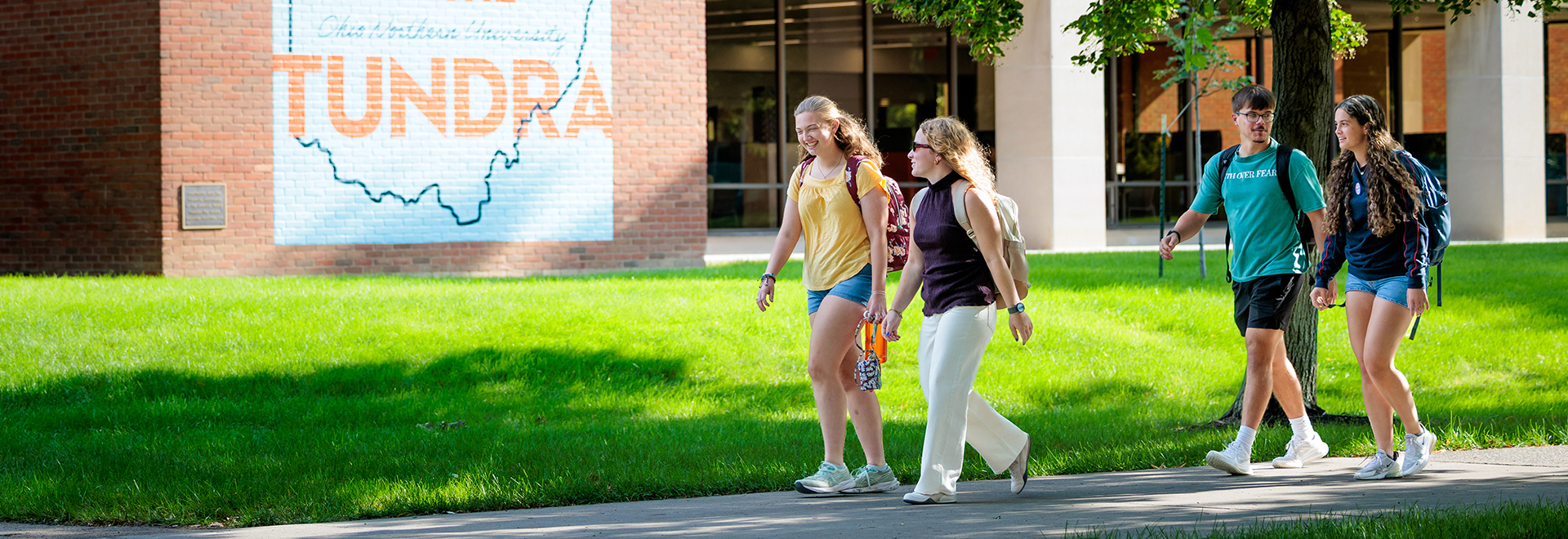
students walking around campus
ONU GRAPHIC

Take the first step toward living the Polar Bear life

We would love to meet you and show you around!
Your health, safety and future are in good hands at Northern. We offer a host of services to keep you informed and meet your needs while you are on campus.
  • Apply Now
  • Visit Campus
Learn more about life as a Polar Bear:
  • instagram
  • facebook
  • Tiktok
  • youtube
  • twitter/x
  • twitter/x
  • LinkedIn
image of campus - decorative only

Ohio Northern University

525 South Main Street Ada, OH 45810
419-772-2000

MB: Footer: Middle 1

  • Libraries
  • ONU Gear Shop
  • Freed Center
  • Career Services
  • ONU HealthWise Pharmacy
  • Campus Map
  • University Licensing & Trademarks

MB: Footer: Middle 2

  • Employment
  • Bookstore
  • Registrar
  • The Inn
  • Calendar
  • Faculty/Staff Directory

Footer Menu

  • Events
  • News
  • Mission & Vision
  • Contact
  • Privacy Policy
  • Consumer Info
  • USDA Statement
  • Media Inquiry

Information for:

  • my.onu.edu
  • Alumni/Friends
  • Parents/Families
  • Faculty/Staff Directory
  • Center for Corporate Engagement
  • Request Info
  • Visit
  • Apply
  • Give
  • About
    • Quick Facts
    • President and Leadership
    • Trustees
    • Financial Affairs
    • University Advancement
    • Recognition of Excellence
    • Getting to Know Ada
    • Commencement
    • Controller and Bursar
    • Human Resources
    • Campus Sustainability
    • History and Tradition
  • Academics
    • Programs of Study
    • Academic Affairs
      • Honors Day
    • College of Arts & Sciences
    • College of Business
    • College of Engineering
    • College of Law
    • College of Pharmacy
    • Institute for Civics and Public Policy
    • Camps, Conferences, Workshops and Community Events
    • Registrar
    • Heterick Library
    • Taggart Library
  • Admissions & Aid
    • Apply
    • Accepted Students
      • time to celebrate
    • Visit
    • Financial Aid
    • Undergraduate
    • Pharmacy
    • Transfer
    • Graduate
    • International–Degree and Exchange
    • College Credit Plus
    • Virtual Tour Map
  • Student Life
    • Housing
    • Dining
    • Center for Student Success
    • Polar Careers
    • Health and Wellness
    • Public Safety
  • Distinctly ONU
  • Athletics