Type of Offering
Major
Neuroscience
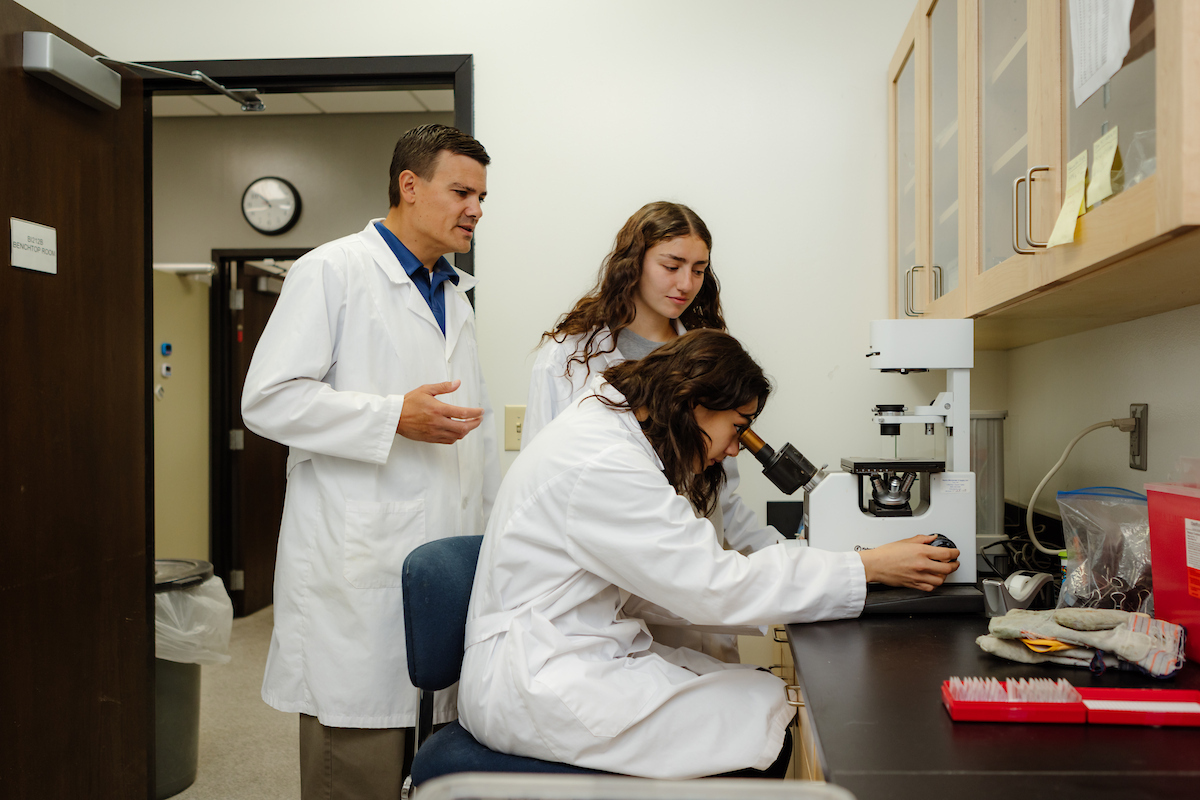
Researchers make discoveries every day that help us unravel the human brain’s complex mysteries. Join the quest for knowledge in this fascinating field by majoring in neuroscience at Ohio Northern University. Here you’ll study the brain within the disciplines of biology, chemistry, and psychology and gain invaluable experience in neuroscience research labs.
Opportunities Abound
Our students and alums do great things, including participating in research at an undergraduate level. Scroll through the images and click to read more.

Why major in neuroscience at ONU?
Our interdisciplinary neuroscience program prepares you for a wide-variety of career paths in healthcare or academic research. In fact, we’ll help you uncover the area of neuroscience you’re most passionate about and where you can make the biggest impact.
As a neuroscience major, you’ll explore neural function at the micro level (biology and chemistry of neurons) and macro level (psychology). You’ll gain a deeper understanding of how neurons and other cells in the nervous system work to produce normal and abnormal behaviors, with coursework in the areas of biology, chemistry, mathematics, physics, and psychology.
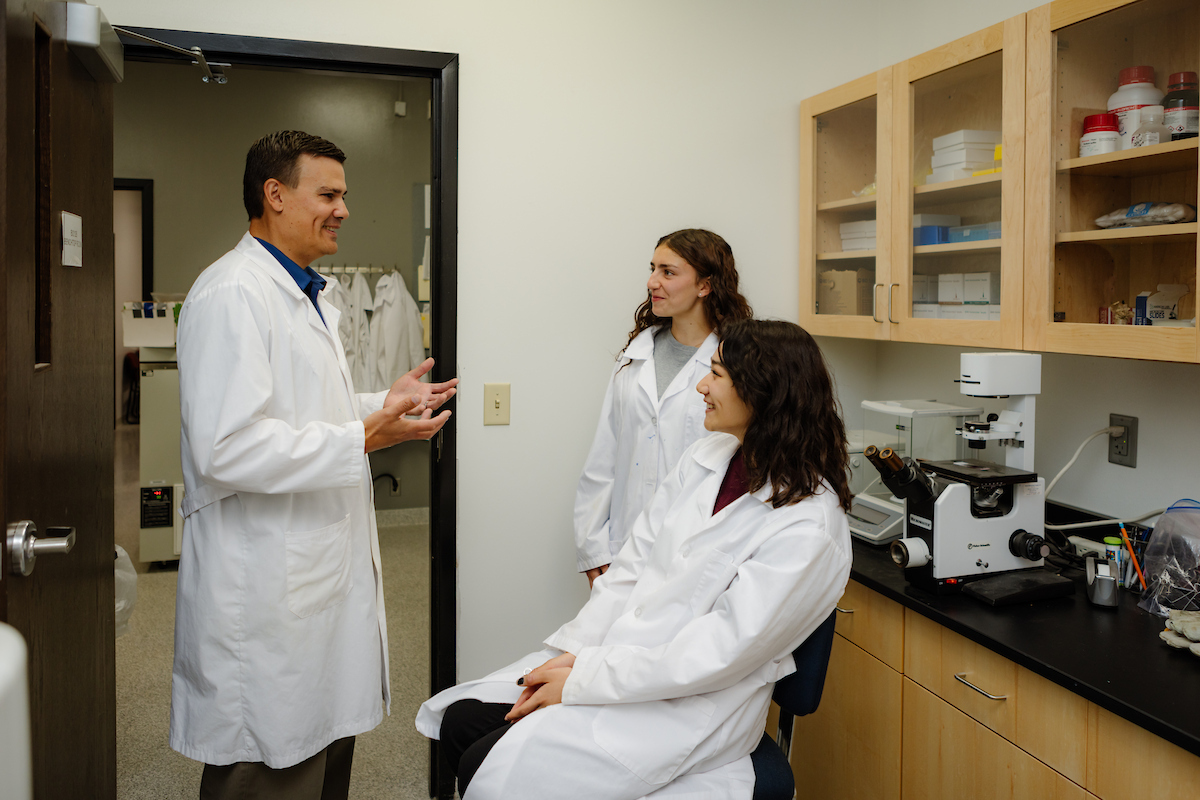
From day one, you’ll be heavily engaged in research. Unlike at large institutions, you’ll get to know your professors who will mentor and guide you. They will provide opportunities for you to assist in their research labs, co-author papers, and present at academic conferences. Our program includes a senior capstone where you’ll gain hands-on experience across three distinct research labs. This rotation allows you to master a variety of techniques by looking at behavior and science through multiple professional lenses.
From the moment you arrive on campus, you’ll feel at home. You’ll enjoy small class sizes, a safe campus, amazing friendships, and challenging academics. Upon graduation, you’ll have the solid academic foundation and broad research experience you’ll need to get into a top graduate school or enter the workforce.
Where you could end up
ONU graduates who pursue graduate education in neuroscience-related fields attend elite programs at universities, including Tulane University, the University of Delaware, the University of Cincinnati, and Purdue University.

NEUROSCIENCE COURSES, CURRICULUM & PROGRAM RESOURCES
Neuroscience is an interdisciplinary program with courses in biology, chemistry, physics, math, and psychology. You’ll also have the ability to select electives in either behavioral/cognitive or cellular/molecular neuroscience. Courses include: Introduction to Neuroscience, Topics in Neuroscience Research, Behavioral Neuroscience, Learning and Behavior, Psychopharmacology, Genetics, and Molecular Biology.
Get Immersed in Research
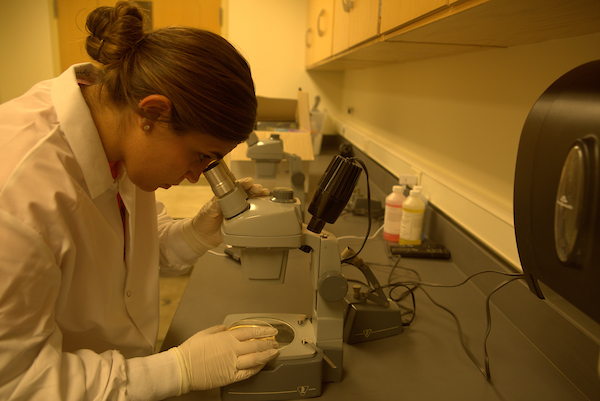
Most of our students join a faculty-led research lab and have the opportunity to present their research findings at regional and/or national conferences. Some even co-author published manuscripts and work on federally-funded grant projects. Our students have also obtained Research Experiences for Undergraduates (REUs) and prestigious internships over the summer. These highly-competitive positions only consider top students and take place at large academic, industrial, or government research institutions across the country.-
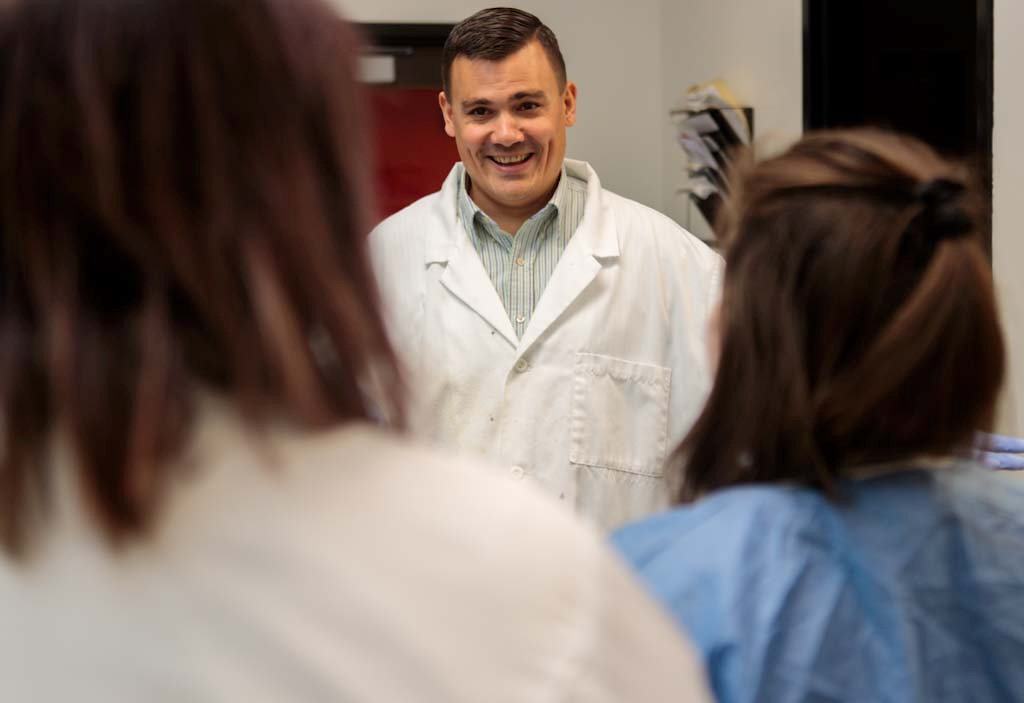
In this lab, Dr. Zoladz examines the impact of acute stress on rats, with the goal of developing a better understanding of post-traumatic stress disorder (PTSD). Dr. Zoladz also explores the ability of various drugs (e.g., psychedelic substances) to prevent or reverse the effects of stress on rat physiology and behavior. Students working in this lab gain experience in animal husbandry, experimental design, stress manipulations, data scoring, and poster/manuscript preparation. Research in the lab has been funded by the National Heart, Lung, and Blood Institute. Students who have worked in this lab have pursued doctoral work in translational science, neuroscience, and biological science.
-
In this lab, Dr. Zoladz examines the impact of acute stress on memory formation, with the goal of developing a better understanding of traumatic memories. Students working in the lab gain experience in experimental design, data collection in human participants, data scoring, data analysis, and poster/manuscript preparation. Research in the lab has been funded by the National Institute of Mental Health. Students who have worked in the lab have pursued doctoral work in neuroscience, cognitive psychology, and clinical psychology.
-
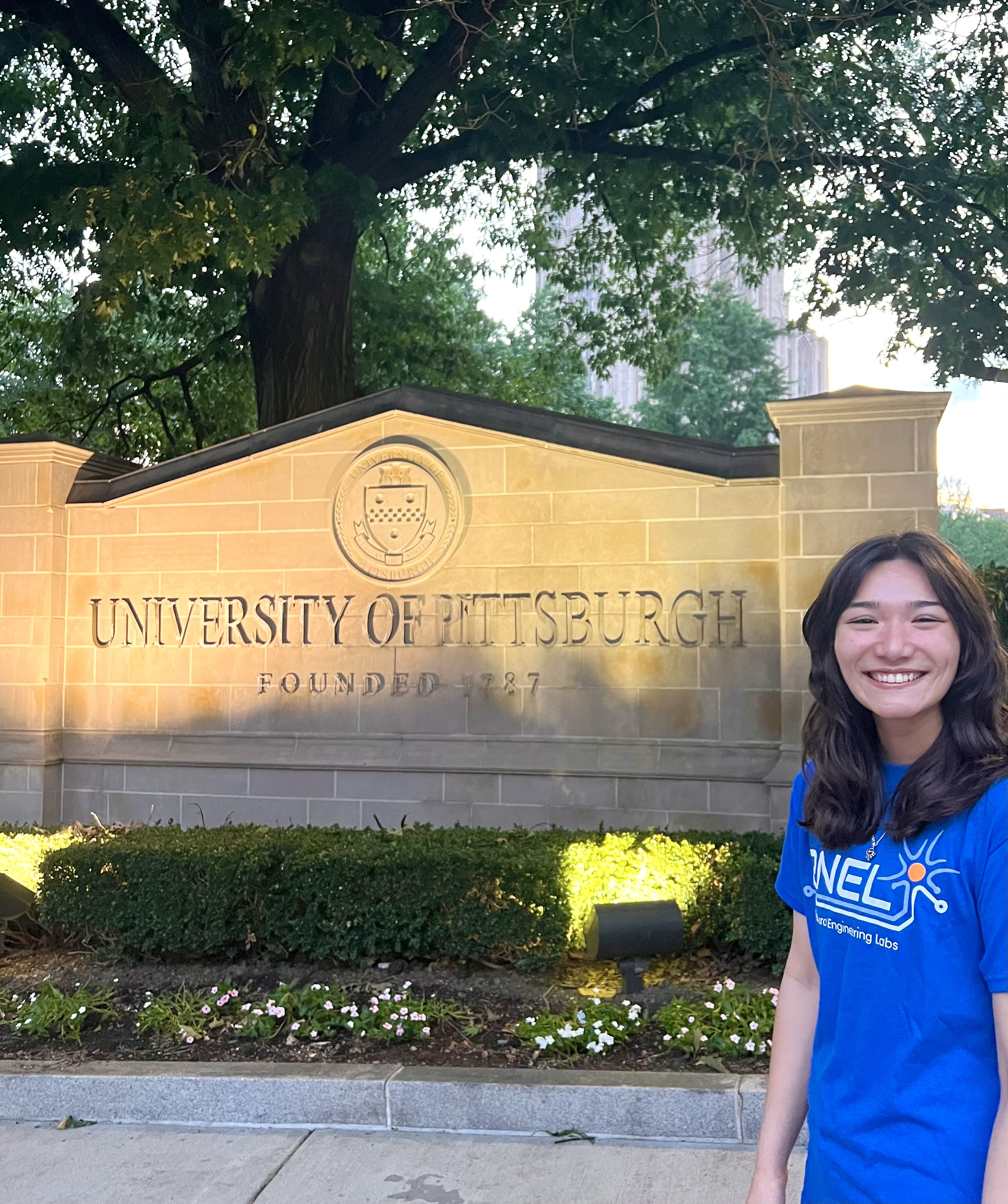
In this lab, Dr. Beligala investigates the molecular mechanisms underlying Parkinson’s disease (PD), with a particular focus on understanding how hemispheric dominance may influence patterns of neurodegeneration. Using rodent models of PD, the lab examines differences in dopaminergic and neurodegeneration-related protein expression between the left and right hemispheres of the brain through immunoblot (Western blot) analysis. This work aims to provide insight into the biological basis of the asymmetric motor symptoms that characterize PD onset and progression.
Students working in this lab gain hands-on experience in brain tissue processing, protein extraction, protein quantification, Western blotting, data quantification, and statistical analysis. Students also participate in experimental design, data interpretation, scientific writing, and poster/manuscript preparation. Opportunities are available for students to present their findings at local, regional, and national scientific conferences, providing valuable experience in scientific communication and professional development. Through this research, students contribute to advancing our understanding of Parkinson’s disease and the mechanisms underlying its asymmetric onset and progression.
Careers You Can Get With a Degree in Neuroscience
-Research scientist
-College professor
-Physician (neurologist, psychiatrist)
-Clinical psychologist
-Neuropsychologist
-Biostatistician
-Laboratory technician
-Epidemiologist
-Genetic counselor
-Physical therapist
-Occupational therapist
-Speech and language therapist
-Brain imaging technician
The Sound of Science
Listen to the sounds you can make in a science-related field of study at ONU.
Take the first step toward living the Polar Bear life
We would love to meet you and show you around!Your health, safety and future are in good hands at Northern. We offer a host of services to keep you informed and meet your needs while you are on campus.